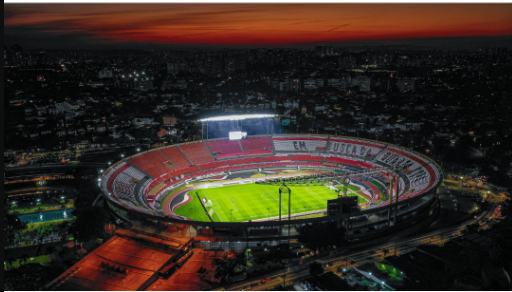
The Brisbane 2032 Olympic and Paralympic Games will be more than just a celebration of sport — they will be a driver of long-term economic transformation, national infrastructure renewal, and skilled migration reform. Backed by a confirmed $7.1 billion capital works program jointly funded by the Australian and Queensland Governments, and projected to generate over $8 billion in broader economic benefit and more than 130,000 jobs, the decade ahead represents an unprecedented opportunity for skilled professionals seeking a future in Australia. For a broader view of the federal migration settings shaping the pre-Games decade, see our Federal Budget 2026-27 briefing.
As Queensland prepares for this world-class event, the migration landscape has been substantially reshaped. The federal government has rolled out the Skills in Demand (SID) visa (operational since December 2024 — see our CSOL and SID visa explainer), closed the Business Innovation and Investment Program (BIIP) and replaced it with the National Innovation Visa, and streamlined employer-sponsored pathways — all in alignment with the real needs of a post-pandemic economy now entering the pre-Olympic construction cycle.
1. Infrastructure Boom: Queensland’s Olympic-Driven Projects
The Queensland Government has committed to a large-scale infrastructure rollout to prepare for the Games. Flagship developments include:
- The Gabba Redevelopment – $2.7 billion transformation of Brisbane’s iconic stadium
- Brisbane Arena – A new 17,000-seat indoor venue in Roma Street
- Brisbane Olympic Village – Located in Northshore Hamilton, to be converted into long-term housing post-Games
- Venue Upgrades across Southeast QLD – Including Sunshine Coast, Gold Coast, and regional centres
- Major transport upgrades – Cross River Rail, Brisbane Metro, active transport links
These initiatives will drive demand for skilled labour across sectors including civil engineering, electrical and plumbing services, ICT infrastructure, project management, hospitality, and tourism. Our Brisbane migration lawyers and Gold Coast team are already advising clients on the workforce ramp-up now underway.
2. Jobs Forecast: Who Will Be in Demand?
Queensland’s Olympic blueprint isn’t just about buildings — it’s about people. The lead-up to 2032 and the post-Games legacy period will see record demand for:
- Civil Engineers (ANZSCO 233211)
- Structural Engineers (ANZSCO 233214)
- Construction Project Managers (ANZSCO 133111)
- ICT Project Managers (ANZSCO 135112)
- Chefs (ANZSCO 351311)
- Hotel or Motel Managers (ANZSCO 141311)
- Event Managers, Planners & Logistics Experts
According to Queensland Treasury forecasts, construction employment will increase by 84%, while hospitality and tourism jobs will grow by over 60%. The need for skilled migrants to fill these gaps has never been clearer.
3. The New Skills in Demand (SID) Visa
In 2024, the Australian Government unveiled the Skills in Demand (SID) visa, a modernised employer-sponsored visa designed to address real-time workforce shortages. It replaces the TSS (subclass 482) visa and includes three key streams:
A. Core Skills Pathway
- For occupations on the Core Skills Occupation List (e.g., engineers, chefs, ICT managers)
- Fast-tracked processing (target: 7 days)
- PR eligibility through subclass 186 after 2 years with the same employer.
B. Specialist Skills Pathway
- For high-income earners ($135,000+)
- No occupation list requirement
- Focused on niche sectors (e.g., AI, cybersecurity, fintech)
C. Essential Skills Pathway (in development)
- Designed for care, support, and lower-paid essential sectors
- Union/employer involvement expected
The Core Skills Pathway is the most relevant for Olympic-linked projects. Skilled workers sponsored under this stream can secure permanent residency with employer support after 2 years — offering long-term security. For a deeper look at how the 482-to-186 transition actually works in practice, read What Most Guides Get Wrong About the 482 to 186 Pathway.
4. General Skilled Migration (GSM): Points-Based Pathways
For individuals without employer sponsorship, the General Skilled Migration (GSM) program remains a vital route. For a full strategic comparison of the two state-nominated options, see our Subclass 190 vs. 491: The 2026 Strategic Audit. The GSM program includes:
Subclass 189 – Skilled Independent Visa
- Based solely on points (age, English, qualifications, work experience)
- No employer or state nomination needed
Subclass 190 – Skilled Nominated Visa (Queensland)
- Requires nomination by Migration Queensland
- Priority roles include engineering, ICT, healthcare, trades, and hospitality
Subclass 491 – Skilled Work Regional (Provisional) Visa
- For occupations in regional QLD hubs like Toowoomba, Ipswich, or the Sunshine Coast
- Leads to PR through subclass 191
Migration Queensland frequently updates its skilled occupation list and invites high-performing applicants aligned with economic priorities — such as Olympic infrastructure.
5. Employer Nomination Scheme (ENS – Subclass 186)
Many skilled migrants on the SID visa will ultimately transition to permanent residency through the Employer Nomination Scheme (subclass 186). This PR pathway requires:
- Two years with the same employer on the SID visa (Core Skills Pathway)
- Occupation on the Core Skills List
- Relevant skills, qualifications, and English level
Benefits:
- Direct PR (no points test)
- Medicare access
- Family included (partner and children)
- Pathway to citizenship
6. Migration Impact on Southeast Queensland
Queensland’s population is expected to grow by 3.2% annually, driven by infrastructure demand, internal migration from southern states, and international migration.
Key growth centres:
- Brisbane (Inner-north Games precinct) – Victoria Park stadium, Bowen Hills Athletes’ Village, Spring Hill Aquatic Centre, and the Woolloongabba entertainment/arena hub
- Gold Coast – Events, accommodation, sports tech, and supporting venues
- Sunshine Coast – Regional housing and infrastructure
- Toowoomba – Training camps, logistics
- Cairns, Townsville and the Whitsundays – Regional venue hosts (sailing, football, other supporting sports)
The Olympic legacy will also include ongoing jobs in:
- Sports venue management
- Hospitality and tourism
- Public transport and smart city tech
7. Investment and Innovation Opportunities
Although the Business Innovation and Investment Program (BIIP) closed on 31 July 2024, opportunities still exist for skilled professionals and entrepreneurs to contribute to Olympic-related industries:
- Construction and sustainability
- Digital infrastructure and smart cities
- Event logistics and travel tech
- Tourism innovation and eco-design
International talent can align with these sectors through skilled or employer-sponsored visas.
Why Choose Augustine & Co. Immigration Lawyers
At Augustine & Co., experienced Australian immigration lawyers, we specialise in helping skilled professionals, families, and employers navigate Australia’s complex immigration system with confidence. With a strong presence in Brisbane and across all of Australia’s major migration hubs, we are well-positioned to assist clients locally and internationally who are looking to be part of Queensland’s Olympic-led growth. Our founding chambers in the Melbourne CBD mean that our team of Melbourne-based immigration lawyers also supports interstate clients planning a move to Queensland for Olympic-linked opportunities.
Whether you’re an engineer preparing to contribute to Queensland’s Olympic infrastructure, a chef looking to join the booming hospitality sector, or an ICT specialist building smart city solutions, our team understands the visa pathways available to you.
We stay across every change in the Australian migration landscape — including the new Skills in Demand (SID) visa, subclass 186 PR transitions, and Queensland’s state nomination programs (190 and 491). Our team will guide you from start to finish: skills assessment, expression of interest, employer sponsorship, nomination, and permanent residency.
Let us help you be part of Brisbane 2032 — and beyond.
Conclusion
The Brisbane 2032 Olympics are not just a sporting event — they are a once-in-a-generation opportunity for Australia to attract, retain, and reward the global talent that will help build its future. From civil engineers and project managers to chefs and event coordinators, skilled migrants will be at the heart of delivering and sustaining Queensland’s Olympic legacy.
With pathways like the Skills in Demand (SID) visa, the Employer Nomination Scheme (subclass 186), and the General Skilled Migration program, there has never been a clearer or more structured route to permanent residency.
If you’re a skilled worker ready to contribute to Australia’s future — or an employer preparing to recruit international talent — now is the time to act. Book a strategy consultation with Augustine & Co. to map your pathway to Brisbane 2032 and beyond.
Sources:
- Department of Home Affairs — SID, NIV, subclass 186, 189, 190, 491 and 191 frameworks
- Australian Government Migration Strategy (December 2023)
- Queensland Government “Delivering 2032 and Beyond” plan (25 March 2025)
- Games Independent Infrastructure and Coordination Authority (GIICA) 100-Day Review (March 2025)
- Queensland Treasury economic and workforce forecasts for Brisbane 2032
- Brisbane 2032 Organising Committee for the Olympic and Paralympic Games (Brisbane 2032 OCOG)
- Migration Queensland Skilled Occupation Lists (2026–27 program year)
Author

Calvin Augustine is the founding solicitor of Augustine & Co. Immigration Lawyers. He graduated with Honors from the University of London law school, before being admitted to practice in Malaysia and Australia (admitted in SA, appears in all Victorian Courts and Tribunals, at trial and appellate levels).